
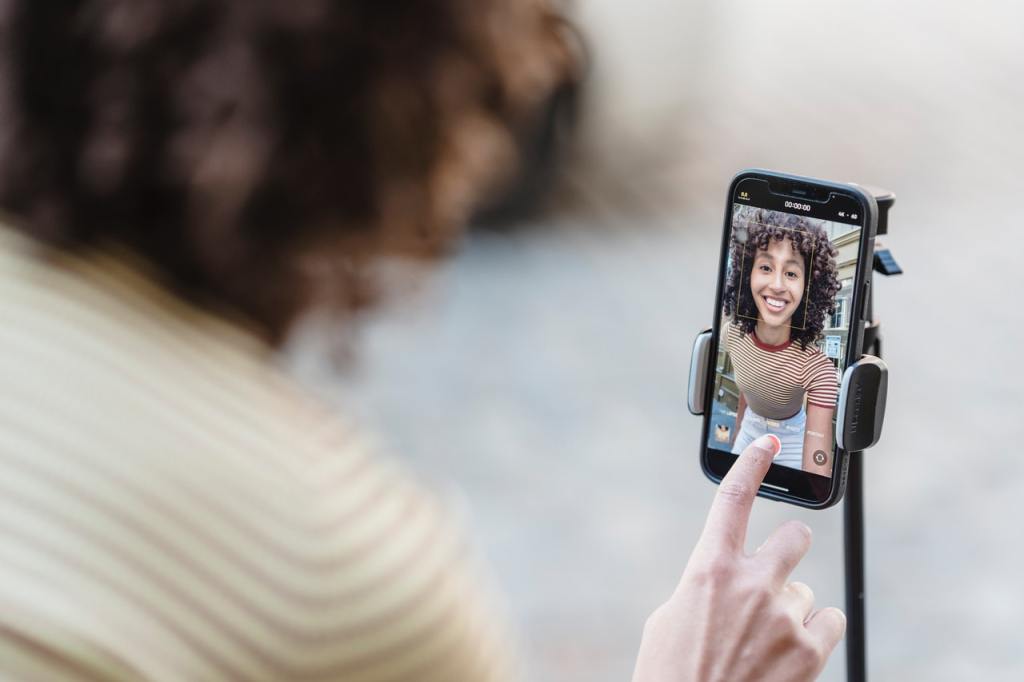
‘Cosh‘, the online platform for sustainable fashion, asked me for some tips on influencer marketing. I ended up writing this article. It has yet to be published on their blog, but I’d thought I’d share my two cents here as well.
Through my shoebrand Lennertson I have first-hand experience in working with influencers.
So here are 10 tried-and-true tips for influencer marketing.
- Choose a match in niche and values:
A large influencer with a cool style isn’t relevant if they’ve never communicated about your niche. Their followers won’t connect. You need a logical collab for the audience; otherwise, it will have little effect. - Choose a match in terms of personalities:
Equally important: if you feel “this is the kind of person I’d like to have drinks with,” then you have personal resonance, and the collab will yield more organic results. The influencer feels good when they can help your brand. You’ve become internet buddies. - Follower count vs Engagement rate? Choose engagement rate:
This rule has always applied, but today with the ever-more tricky algorithm, it’s even more important: a ‘small’ influencer with a high engagement rate will have more impact than a large influencer with moderate engagement.
Pro-tip: Don’t get caught by ‘influencers’ who are part of engagement pods: do they have the same copy-paste comments under every post? “Sick pic bro” and the like? Their engagement is worthless.
- High level content vs Raw content:
It’s best to map out where the added value of the influencer lies on a case-by-case basis. Example:
Influencer A takes beautiful, professional photos. But their engagement is moderate.
Influencer B takes mediocre photos, but their engagement is high.
Best case scenario: You agree with influencer A that you will get all the photos delivered to you, then you’ll at least have a bunch of free high-level content for your own channel if it doesn’t perform well on their channel.
- Insta-only vs bloggers & vloggers:
Instagram is a fleeting platform. Most content has an engagement duration of 24 hours at most. A good blog or vlog (youtube), on the other hand, can become evergreen content and still engage people years after it’s been published, even more so: convert them into sales. - Manage expectations:
Discuss what it is you expect in return. It may be ‘5 weeks of a minimum of 1 post per week and 3 stories?’ Whatever it is: propose, negotiate, come to an agreement. With Lennertson, I have experienced there are influencers that grossly overestimate their actual influence and reach.
(That being said, if you’ve got a picky influencer, and you really want to work with them, it’s definitely okay to give them ‘free rein’) - Give them a product they’ll love:
If the influencer thinks the product is ‘nice enough to receive for free’, you’re probably not going to see it pop up more than agreed.
Can you give them something they’ll love? Chances are they’re going to show it off often because they simply love wearing/using it in their daily getup.
- Pay in product or pay in money?
Often, a ‘content-4-product’ collab is ideal. The influencer creates and shares content showcasing your product, and in return, they get to keep it. Some ‘bigger’ influencers naturally want to receive an additional payment. Not illogical. Is it worth it? It all depends. What is the estimated r.o.i.? In terms of direct sales, in terms of long-term clout. You’ll have to make an educated guess. - What is the actual ‘influence’ of influencers?
Supplementary to point 8: the reality is that influence has generally decreased in recent years and radically on Instagram and Facebook. Big Instagrammers don’t want to believe it yet, as they have spent years building up their accounts. But with the new algorithms, the vast majority of their followers don’t see their content either.
Instagram has been doing everything it can to become a 2nd tiktok for the last few months, and that’s mostly not good news for fashion accounts. People mostly watch reels (and tiktoks) as cheap entertainment. While still photography, in the fashion space, really does inspire people and ultimately converts sales. It is what it is, unfortunately.
- Ambassador? Affiliate?
If you can convince someone to consider the collab as a kind of ambassadorship instead of a quick buck, you will always gain much more in the long run.
A monetary incentive can also work: x% commission when they realize a sale through a custom link? It’ll undoubtedly motivate some influencers.
 Robin Talks Strategy
Leave a comment